
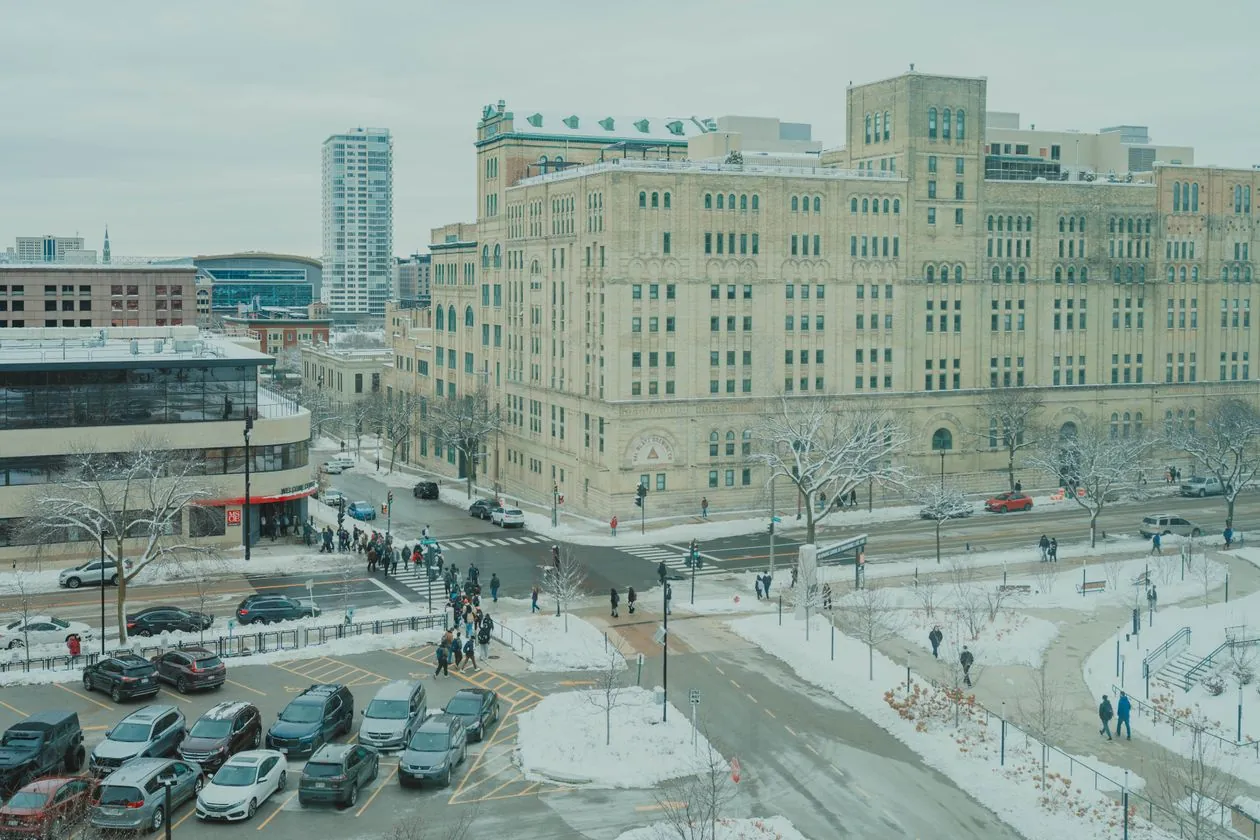
Wisconsin cold can expose a weak furnace overnight
A Milwaukee furnace may seem fine through a mild afternoon, then struggle after the temperature drops and the wind comes off Lake Michigan. Snowfall varies across the area, but the combination of damp wind, quick weather changes, and long heating cycles puts real strain on the system. That is when a weak igniter, dirty flame sensor, tired blower component, restricted filter, or control problem often turns into a no-heat call.
Before calling, notice the sequence without opening the cabinet. Does the thermostat call for heat? Do you hear a click or ignition attempt? Does the blower start? Is the air warm, cool, or absent? A furnace that starts and stops after two minutes points the visit in a different direction than one that never responds. Tell the provider when the trouble began and whether it followed a power flicker, filter change, long overnight run, or blowing snow around the exterior vents.
Do not keep cycling the breaker or resetting the furnace. One careful observation is useful; repeated resets can hide the pattern and place more stress on the system. If you smell gas, see smoke, or a carbon monoxide alarm sounds, leave the property immediately and contact emergency services or the gas utility from a safe location.
Milwaukee heating facts worth knowing
We Energies delivers natural gas and electricity to Milwaukee and much of southeastern Wisconsin — about 1.17 million gas customers statewide. January overnight lows average around 16°F, and lake-effect cold snaps can be brutal: wind chills approached –40°F during the January 2026 blast. In older bungalows and duplexes, that kind of cold exposes every weak point in the system at once, which is why technicians here start with airflow and heat-exchanger checks.
Milwaukee bungalows and duplexes need more than a parts guess
Milwaukee’s housing stock gives technicians real context. Bay View and the city’s south and west sides include many compact bungalows, duplexes, and older homes that have been remodeled over decades. Some have finished attics, basement equipment, additions, or ductwork that was changed when a two-family layout was converted. In Shorewood and Wauwatosa, older masonry or wood-frame homes can have the same mix of aging furnaces, later duct changes, and rooms that never heat evenly. West Allis brings another broad inventory of mid-century homes, while Brookfield commonly includes larger floor plans and later equipment.
That variety matters because a cold bedroom is not automatically a failed furnace. A blocked return, undersized branch duct, loose basement connection, loaded filter, weak blower, poor air sealing, or an addition may be part of the complaint. Tell the technician which rooms changed, which rooms have always lagged, and whether recent remodeling moved a wall, door, register, or thermostat. A useful diagnosis should explain the pattern across the house, not simply name a component inside the furnace.
Older equipment also deserves a calm repair-versus-replacement discussion. Age matters, but it does not settle the question. Ask what failed, whether the furnace is operating safely, what the repair should restore, and what warranty applies. If replacement is recommended, request the full installed scope: load-based sizing, efficiency, venting, electrical work, thermostat compatibility, duct changes, removal, permits when required, and warranty registration.
Milwaukee heating repair should trace the whole system
The fault may be in the thermostat, ignition sequence, gas valve, blower, control board, return-air path, supply ducts, venting, or the condensate system on a high-efficiency furnace. A technician should follow the operating sequence and test the suspected failure before recommending a part.
If you have a gas furnace, mention any repeated ignition attempt, brief flame, shutdown, or unusual odor. For weak airflow, say whether every room is affected or only one floor. With high-efficiency equipment, tell the provider whether the shutdown followed snow, freezing rain, or a rapid temperature change. Exterior intake and exhaust terminations should remain clear, but inspect them only from a safe location. Do not climb through snow, remove piping, chip ice from a vent, or bypass a pressure or safety switch.
If the furnace still runs but cannot hold the thermostat setting, avoid assuming that a larger replacement is the answer. The existing system may have a repair issue, or the house may be losing heat through ducts and the building shell. A professional assessment should separate equipment capacity from airflow and insulation concerns before anyone proposes a major purchase.
Emergency Furnace Repair in Milwaukee
A no-heat failure during a Wisconsin cold snap deserves a clear urgency check. Call to ask whether 24/7 emergency or same-day furnace repair is available for the exact service ZIP code. A company may offer after-hours service without having an immediate opening, especially when a weather shift creates a citywide call surge. Ask for the current arrival window, the diagnostic or dispatch charge, and any after-hours premium before scheduling.
Tell the provider if the indoor temperature is falling quickly, water lines may freeze, or someone in the home cannot safely remain in the cold. Move to a safe heated location if necessary. Never use an oven for room heat, operate an outdoor heater indoors, or run a generator in a garage. Gas odor, smoke, fire, or a carbon monoxide alarm calls for evacuation and emergency help, not a place in the ordinary repair queue.
Need time-sensitive help in Milwaukee?
Have the ZIP code, fuel type, approximate furnace age, thermostat message, and a short description of the cycle ready. Confirm current coverage, the arrival window, and the diagnostic fee on the call.
Call (616) 555-0147Milwaukee-area coverage starts with the ZIP code
Participating independent providers may serve the city and nearby communities, but this page does not represent a walk-in shop or promise metro-wide coverage. Street names and neighborhood context help describe the home; the exact ZIP code determines whether a provider can take the call.
Do not assume the same schedule, trip charge, or emergency rate applies across Milwaukee County and the surrounding suburbs. Ask whether the address is inside the normal service area, whether travel is included in the visit charge, and whether road or weather conditions are affecting response times.
What furnace repair may cost in Milwaukee
A reputable technician will give you upfront pricing before work begins. Confirm the total in writing.
Where reliable local data is thin, the national planning average is about $318, with many repairs estimated around $133–$505. These numbers are estimates only, not a quote, advertised rate, or promise. The actual total depends on the diagnosis, furnace model, part availability, access, labor, taxes, and whether the visit occurs after hours.
Ask what the diagnostic charge includes and whether it is credited toward approved work. Before authorizing a repair, request the diagnosed fault, complete price, required versus optional work, and parts-and-labor warranty in writing. Online ranges can help with planning, but they cannot price the furnace in front of the technician.
Prepare the house and the questions
Clear a safe path to the furnace, move storage away from the cabinet, and secure pets. If the brand, model, or status light is visible without removing a panel, take a photo. Keep recent service records and the approximate equipment age nearby. Renters should identify who can authorize work before the visit.
Ask four direct questions: Do you serve this ZIP code? What does the diagnostic fee cover? Will I receive the full repair price before work starts? What warranty applies? At the door, confirm the technician and company. If replacement enters the discussion, compare complete written proposals rather than equipment prices alone.
Milwaukee furnace repair FAQ
How much does furnace repair cost in Milwaukee?
A national planning average is about $318, with many repairs estimated around $133–$505 (Angi 2026 national averages). These are estimates only. Milwaukee pricing depends on the diagnosis, equipment, parts, labor, access, taxes, and timing.
Does emergency furnace repair cost more?
It can. Independent providers may use different dispatch or diagnostic charges after hours, on weekends, or during severe weather. Confirm the charge and arrival window before scheduling.
Is 24/7 furnace repair available throughout Milwaukee?
Some independent providers may offer 24/7 service, but coverage and response vary by ZIP code, weather, time, and capacity. Call with the exact service ZIP code to check the current schedule.
Why is one room cold when the furnace is running?
A cold room can involve airflow, ducts, returns, insulation, air leakage, or the building layout rather than a failed furnace alone. Tell the technician whether the pattern is new and which rooms are affected.
Should an older furnace be replaced after one breakdown?
Not automatically. Ask about safety, condition, repair history, the failed part, repair cost, and warranty. Compare a complete replacement proposal only when the facts support it.
What should I do if I smell gas?
Leave the building immediately and contact emergency services or the gas utility from a safe location. Do not operate switches, flames, phones, or equipment inside.
Does FurnaceFox perform the repair?
No. This is a service-area connection resource. Confirm licensing, insurance, availability, price, scope, and warranties directly with the independent provider.
What furnace brands do you service?
Brand coverage depends on the independent provider and available parts. Share the manufacturer and model if they are visible without opening the cabinet, then confirm that the assigned technician works on that equipment.
How fast can a technician get to my home?
Arrival times depend on the ZIP code, weather, call volume, and provider capacity. Give the exact ZIP code first and ask for a realistic arrival window rather than assuming same-day service.
When should I consider replacing my furnace?
Consider comparing replacement when the furnace has a safety problem, repeated failures, a major repair, or persistent comfort and efficiency issues. Age alone is not enough; ask for written repair and replacement options.