
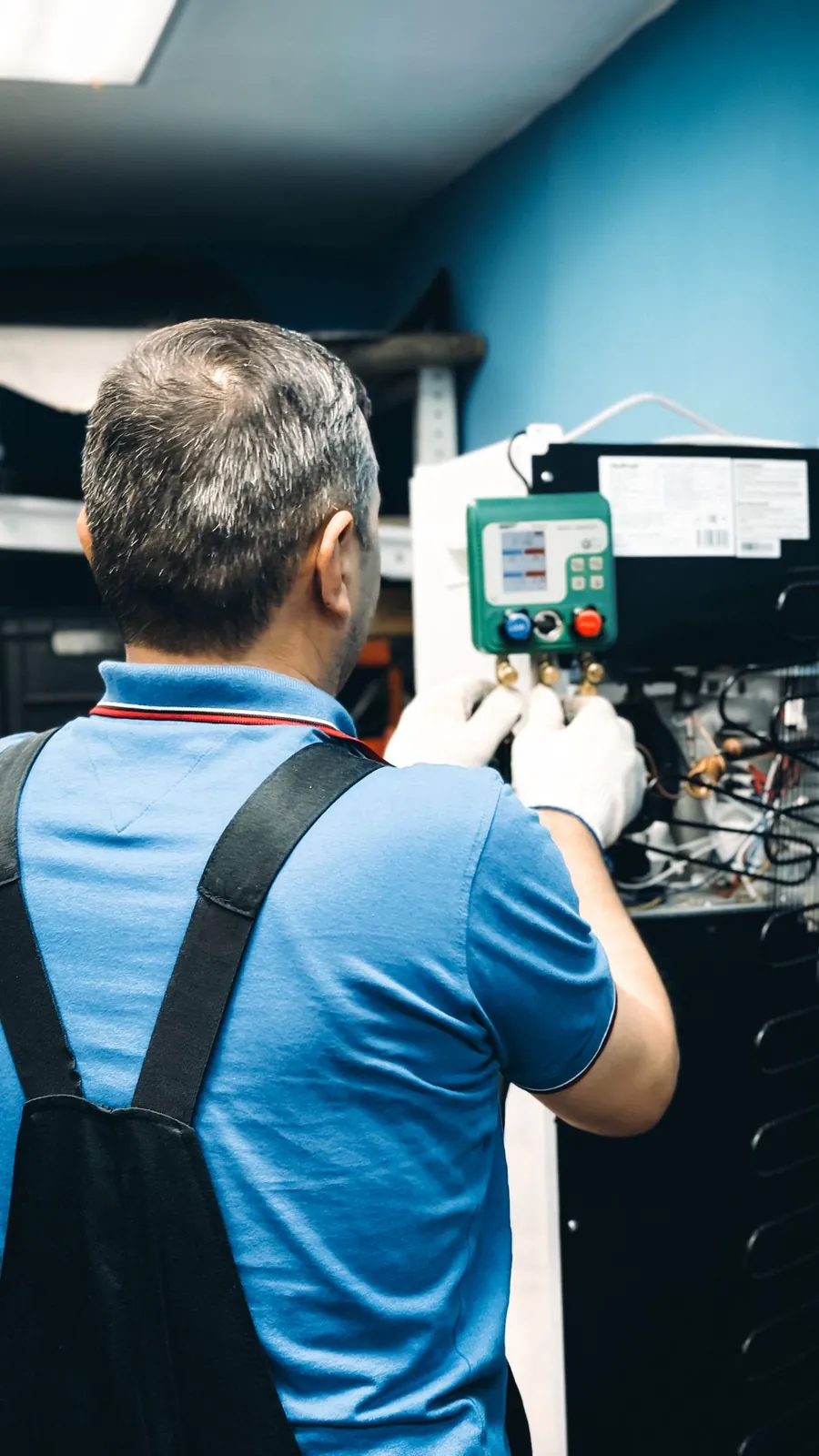
What a useful furnace tune-up includes
A tune-up should be more than a quick look and a new filter. The exact checklist depends on the furnace, fuel, manufacturer, and local requirements, but the visit should leave you with a clear record of what was inspected, what was cleaned or adjusted, and whether any repair needs separate approval.
- Burners and ignition. The technician should inspect operating condition and the ignition sequence, then note cleaning, adjustment, or repair needs rather than hiding them inside a vague “service” line.
- Visual heat-exchanger check. Accessible areas should be inspected for visible concerns. A routine visual check is not the same as guaranteeing the heat exchanger has no hidden defect.
- Filter and airflow. The visit should confirm the correct filter size and direction, look for obvious restrictions, and note weak airflow or return-air problems that deserve further diagnosis.
- Thermostat calibration and controls. The thermostat, operating sequence, limit switches, and other safety controls should be checked for expected operation.
- Carbon monoxide and combustion safety. For combustion equipment, ask what carbon monoxide and combustion-related checks are included. Keep working carbon monoxide alarms in the home regardless of the service visit.
Schedule before winter demand peaks.
Call with your ZIP code, furnace fuel type, approximate age, and any sound, odor, cycling, or comfort change you have noticed.
Call (616) 555-0147Why fall is the practical time
In October, the furnace may have run only a few short cycles since spring. That makes early fall a useful window for maintenance before the first hard freeze forces long run times and fills provider schedules with urgent no-heat calls. A pre-season visit also gives you time to compare a recommended repair instead of deciding in a cold house.
Maintenance cannot promise a breakdown-free winter. Components still fail, and a tune-up cannot correct every hidden defect. What it can do is reveal visible wear, dirty burners, restricted airflow, control problems, venting concerns, or neglected filters before the heating season reaches its hardest stretch.
What a tune-up can't do: honest limits
A careful tune-up can reduce avoidable trouble, but it cannot promise a breakdown-free winter. Electrical controls, motors, igniters, and other parts can still fail after a proper maintenance visit.
It also cannot turn an already-failing part into a sound one. If inspection finds a cracked, worn, unsafe, or unreliable component, the provider should explain the separate repair, price, and urgency before doing additional work.
Most importantly, maintenance is not a substitute for repair when symptoms are already present. A furnace that will not start, blows cool air, shuts down repeatedly, makes a new mechanical noise, or produces a persistent burning odor needs diagnosis rather than a routine tune-up.
Call for service instead when the furnace is already acting up.
Describe the symptom, when it started, and any sound, odor, or thermostat message so the provider can schedule the right kind of visit. If you smell gas, see smoke, or a carbon monoxide alarm sounds, leave immediately and contact emergency services or the gas utility from a safe location.
Call (616) 555-0147Furnace tune-up cost estimates
A broad national planning estimate for a furnace tune-up is $100–$300. This is an estimate only, not a quoted price. Equipment type, location, access, local labor, the depth of the inspection, cleaning requirements, and whether additional testing is included can all affect the charge.
Before booking, ask for the checklist and total. Find out whether a filter is included, whether parts or repairs require separate approval, and whether the diagnostic or service charge changes after hours. Some providers offer maintenance plans. Ask the provider what the plan covers, how many visits it includes, whether priority service has limits, how cancellation works, and whether the total is better than paying for visits separately.
Routine maintenance, or service right now?
A furnace that starts normally, heats evenly, and has no new sound or odor may be a routine pre-season visit. The appointment should still cover safety, airflow, controls, and the manufacturer’s maintenance needs. Keep the completed checklist with the equipment records.
Do not wait for a routine tune-up if the furnace will not start, repeatedly shuts down, blows cool air, makes a new grinding or banging sound, gives off a persistent burning odor, or cannot hold the thermostat setting. Those symptoms need diagnosis. If you are already having trouble, check the symptoms first and use the guidance to describe what is happening. If you smell gas, see smoke, or a carbon monoxide alarm sounds, leave immediately and contact emergency services or the gas utility from a safe location.
Seasonal guidance is available for Grand Rapids, Des Moines, Omaha, Milwaukee, and Buffalo. Each guide explains local winter patterns and what to have ready before calling; availability still has to be confirmed by ZIP code.
Furnace maintenance FAQ
How often should a furnace be serviced?
An annual professional inspection before the heating season is a practical schedule for many homes. Follow the manufacturer’s instructions and any warranty requirements for the specific equipment.
How long does a furnace tune-up take?
A routine visit often takes about one to two hours. Equipment access, cleaning needs, system condition, and discovered problems can change the timing, so ask what the visit includes.
Does a tune-up really prevent breakdowns?
It cannot guarantee that a component will not fail, but it can uncover visible wear, airflow restrictions, control problems, and safety concerns before heavy winter use.
What if the furnace is new?
New equipment still needs filters, airflow, controls, venting, and combustion-related items checked as applicable. Review the manufacturer’s maintenance schedule and warranty terms.
Can I change the filter myself instead of scheduling a professional visit?
Many homeowners can replace an accessible filter with the correct size and airflow direction. That does not replace inspection of burners, controls, venting, the heat exchanger, and carbon monoxide safety.
Does a tune-up include a carbon monoxide safety check?
A thorough visit should address combustion and carbon monoxide safety where applicable, but checklists vary. Ask the provider to state what testing is included, and keep working carbon monoxide alarms in the home.
Get the checklist before you book.
Confirm what will be inspected, the full visit charge, and how any additional repair recommendation will be presented.
Call (616) 555-0147